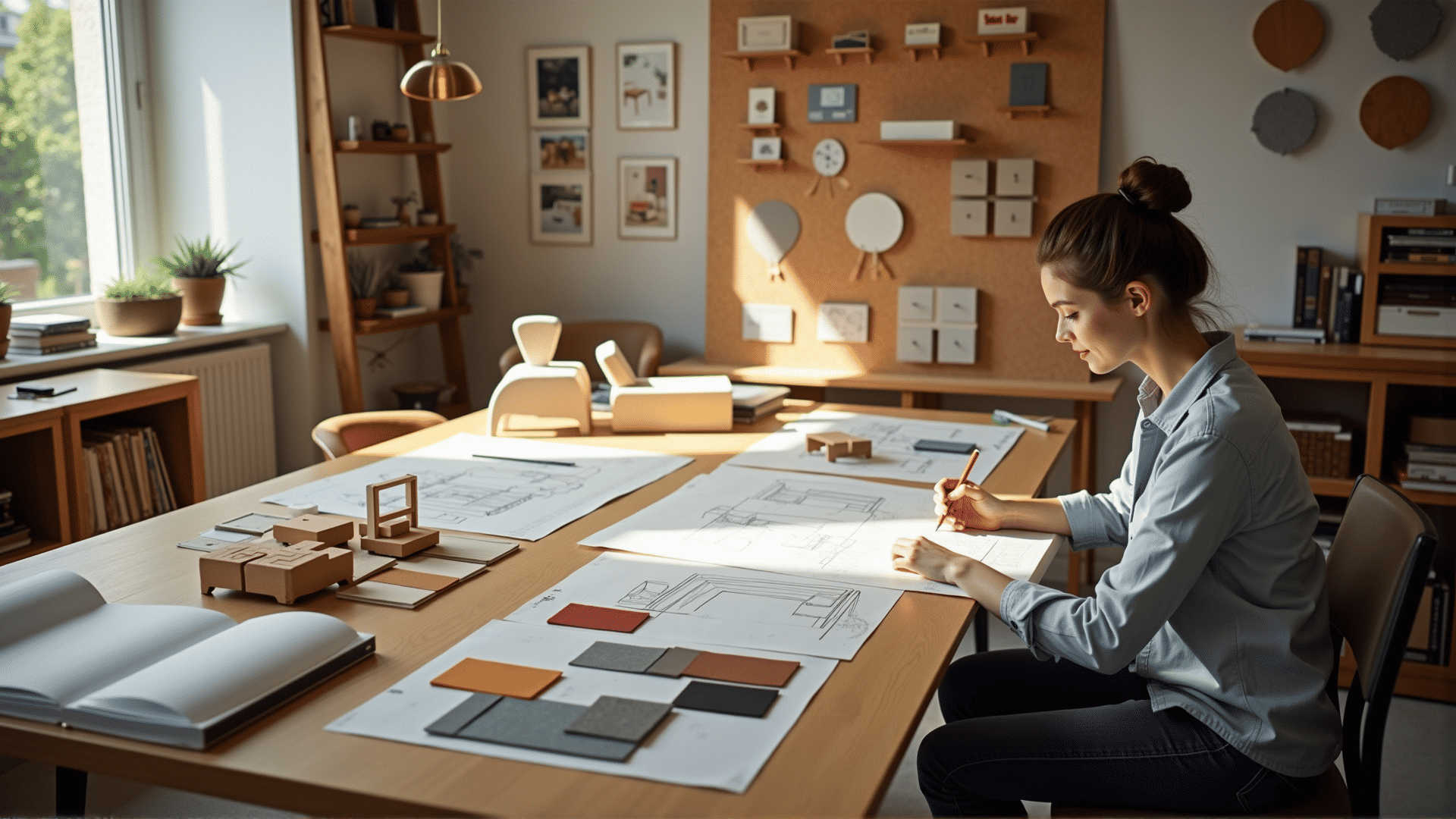
Furniture design is an intricate art that extends beyond mere aesthetics. It involves purposefully crafting pieces that achieve a balance between function, form, and innovation. From the initial spark of inspiration to the final piece gracing a living space, the journey is one of creativity, precision, and dedication. Here's an insider's look into the furniture design process, highlighting what makes a piece truly exceptional.
1. Inspiration and Conceptualization
Every great design begins with a spark of inspiration. Designers draw from diverse sources—nature, architecture, art, or even daily life occurrences. The conceptual stage is about exploring ideas through sketches, mood boards, and brainstorming sessions to visualize possibilities. This phase requires a keen eye for detail and a deep understanding of current trends and timeless styles.
2. Research and Development
Once an initial concept is in mind, the next step is thorough research. Designers investigate materials, manufacturing techniques, and the latest technological advancements. This stage often involves collaborating with artisans, engineers, and material scientists to ensure feasibility. The research not only influences the function and longevity of the piece but also its environmental impact and cost-effectiveness.
3. Design and Prototyping
Designers proceed to create detailed technical drawings and 3D models. This helps visualize the dimensions, ergonomics, and proportionality of the piece. Digital tools and software become essential in this stage to refine designs and anticipate potential issues. Following digital approvals, prototypes are constructed. This tangible representation allows designers to evaluate aesthetics, comfort, and structural integrity in the real world.
4. Testing and Refinement
The prototype undergoes rigorous testing for durability, stability, and usability. Feedback from testers, whether they are colleagues or focus groups, is invaluable. This stage may reveal design flaws or areas for improvement. Designers often find themselves revisiting initial concepts to refine and tweak them, ensuring the final product meets all set criteria before going into production.
5. Production
Once the design has been perfected, it moves into production. This step requires a meticulous approach to ensure the integrity of the design is maintained. Selecting the right manufacturers and artisans, ensuring quality control, and overseeing the production line are crucial. This is where the creative vision becomes tangible reality, demanding precision and collaboration at every level.
6. Marketing and Launch
After production, the focus shifts to marketing and distribution. A compelling narrative about the design can attract potential buyers and emphasize the unique qualities of the piece. Launch events, collaborations with interior designers, and features in industry publications are strategies used to introduce the creation to the world.
What Makes a Piece Exceptional?
Exceptional furniture pieces possess a harmonious blend of innovation, quality craftsmanship, and emotional resonance. They stand the test of time both in durability and design appeal, adapting to changing trends while remaining true to their original character. Sustainability also plays a pivotal role in modern exceptionalism, with designers increasingly prioritizing eco-friendly materials and processes.
In essence, extraordinary furniture design is a seamless integration of creativity, research, technical expertise, and passion. Each stage of the design process contributes to a final piece that is not only functional but also a profound reflection of the designer's vision and ingenuity. This journey from concept to reality captures the transformative power of design, turning a simple idea into a piece that defines spaces and enriches lives.