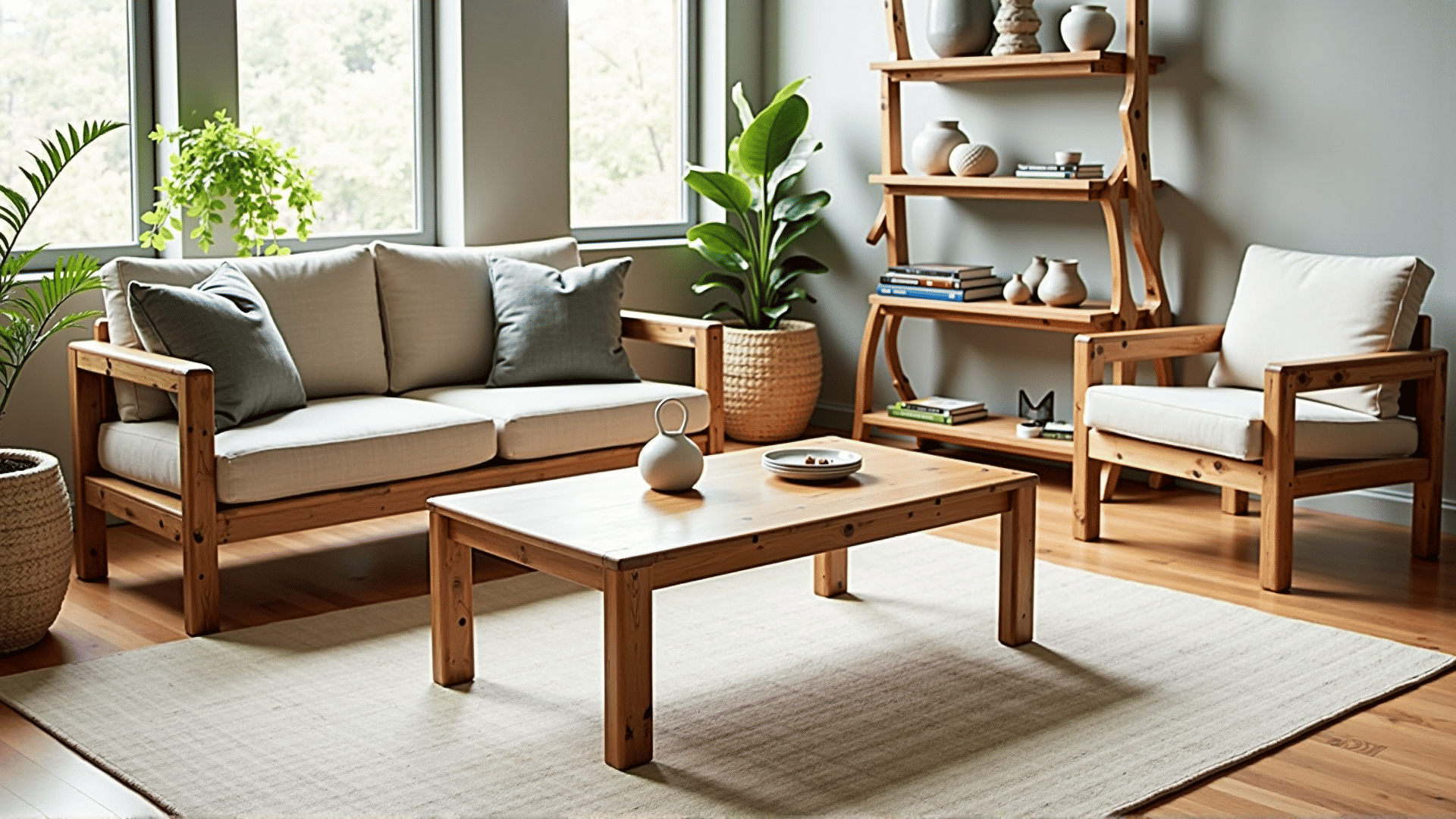
In today’s increasingly eco-conscious world, making sustainable choices is becoming more appealing and necessary. As we strive to reduce our carbon footprint, one area where we can make a significant impact is in our choice of furniture materials. Opting for eco-friendly furniture not only benefits the planet but also adds a distinctive, stylish touch to your home. Here, we explore the benefits of choosing sustainable furniture materials and identify some of the best options available.
Why Choose Eco-Friendly Furniture?
Eco-friendly furniture offers numerous benefits beyond environmental conservation. Firstly, these materials are often non-toxic and free from harmful chemicals that can pollute indoor air quality. This contributes to better health and well-being for you and your family. Secondly, sustainable furniture tends to be more durable and longer-lasting, reducing the need for frequent replacements and thereby saving money in the long run. Lastly, choosing eco-friendly options supports ethical manufacturing practices and contributes to a more sustainable economy.
Top Sustainable Furniture Materials
-
Bamboo: A superstar in the world of sustainable materials, bamboo is a highly renewable resource due to its rapid growth rate. It is incredibly strong and versatile, making it suitable for a wide range of furniture from tables to chairs and even flooring. Its natural, light finish adds a modern, airy feel to any space.
-
Reclaimed Wood: Utilizing reclaimed wood minimizes the demand for new timber, reducing deforestation and the environmental damage associated with logging. Each piece of furniture crafted from reclaimed wood has a unique character and history, adding a rustic charm to your home while emphasizing the concept of reuse and recycling.
-
Recycled Metal: Metals like aluminum and steel can be recycled without losing their strength or quality. Furniture made from recycled metals can range from industrial chic dining tables to sleek minimalist bed frames. Their durability ensures they will last for generations.
-
Hemp: Known for its fast growth and minimal requirement of pesticides or fertilizers, hemp is a fantastic option for sustainable fabric. It is a strong, biodegradable, and versatile material, ideal for upholstery, curtains, and linens. Hemp textiles bring a natural, earthy aesthetic to your décor.
-
Cork: Harvested from the bark of cork oak trees, cork is a renewable resource that doesn’t harm the tree during extraction. It boasts impressive properties such as being water-resistant, sound-dampening, and fire-retardant, making it perfect for flooring and other home accessories.
-
Rattan: A type of climbing palm, rattan is lightweight yet strong, suitable for both indoor and outdoor furniture. Sourced mainly from Southeast Asia, responsible rattan harvesting helps to support economic growth in local communities and preserve rainforest ecosystems.
Styling with Sustainable Materials
Sustainable furniture doesn’t mean compromising on style or function. Many eco-friendly pieces offer clean lines, organic shapes, and natural textures, which blend seamlessly into both modern and traditional interiors. For a cohesive look, harmonize your sustainable furniture with other eco-friendly elements in your home such as plants, organic textiles, and energy-efficient lighting.
Incorporating sustainable furniture into your living space is a tangible way to express your commitment to the environment while enhancing your home's aesthetic appeal. By making conscious choices in furniture materials, you can lead by example, inspiring others to embrace sustainability without sacrificing style or comfort. After all, the best choices are those that do good for both the planet and the people who inhabit it.